

Independent EV data verification
Trust the data behind every vehicle decision.
For the lenders, insurers and fleets who carry the risk of electric vehicles.
Vehicle data is everywhere. Trust isn't.
Residual value estimates for the same vehicle can vary by 25%, with no universally standardised methodology.
The average vehicle is rarely the problem. The individual vehicle is, because its history can't be checked.
-

01
Fragmented
Vehicle data exists across multiple systems, platforms and stakeholders, creating disconnected views of the same asset.
-

02
Point-in-time
Inspections, valuations and assessments provide snapshots rather than a continuous record of how a vehicle has been used.
-

03
Dependent
Access and interpretation can depend on individual platforms or data providers, limiting independent verification.

A trust layer for EV data.
Radix is a proprietary technology layer for electric vehicles. Telematics is built to run the fleet. Radix is built for the decisions made about it: lending, insurance, residual value and liability. It sits alongside your existing systems and makes their data independently verifiable.
- Vehicle Data
- Radix
- Verified Evidence
Built around three principles.
-
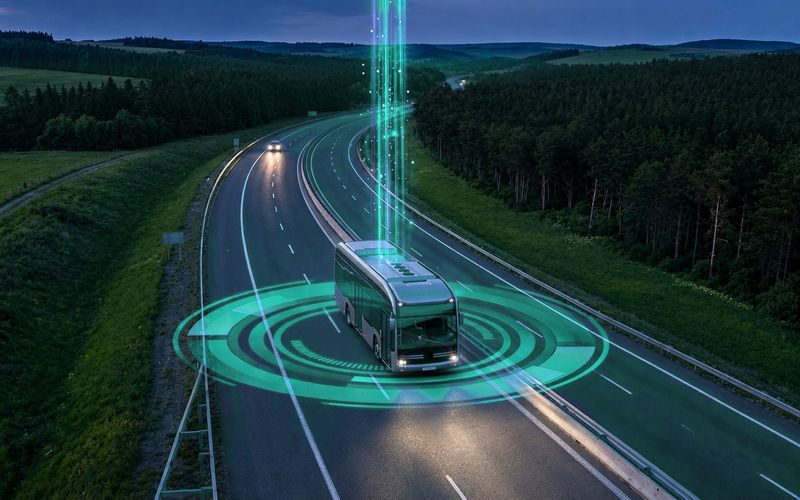
Continuous
Captured over the vehicle lifecycle.
-

Provenance
A verifiable history of the data.
-

Independent
Evidence that can be independently verified.
Built for the organisations making decisions around electric vehicles.
-

Finance
Residual values and lending decisions based on each vehicle's verified history.
Learn More about Finance -

Insurance
Know a vehicle's condition before a claim, and what happened during it.
Learn More about Insurance -

Fleet
A record of your vehicles that financiers, insurers and buyers can check.
Learn More about Fleet -
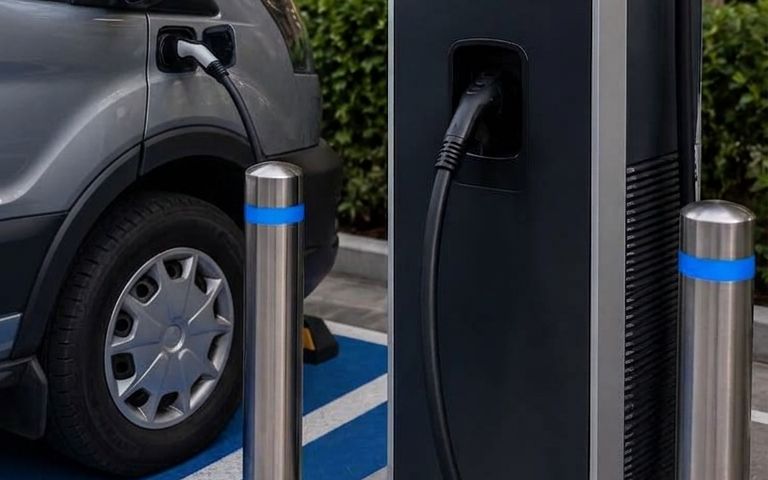
EV-as-a-Service
The usage history behind every lease and battery buyback.
Learn More about EV-as-a-Service
- Acquire
- Finance
- Insure
- Drive
- Charge
- Maintain
- Revalue
- Resell
One vehicle. A continuous record.

Frequently asked questions.
For financiers, insurers and fleet operators considering Radix. Read the research behind it.
Is Radix a telematics platform?
No. Telematics is built to run a fleet day to day: where a vehicle is, whether it is charged, when it needs a service. Radix is built for the decisions made about the vehicle by people who do not operate it, such as lenders, insurers and buyers. It works alongside telematics and makes the data independently verifiable, so they can rely on it without depending on a single provider.
How does Radix support asset finance and residual value decisions?
Lenders often rely on inspections and valuations taken at a single point in time. Radix is designed to give credit and asset teams a continuous, verifiable record of how a financed vehicle has been used, as evidence for valuation, residual value and end-of-term assessment.
How can insurers use verified vehicle data?
Radix is designed to give insurers independent evidence of vehicle condition, usage and events, captured over time rather than after the fact. That evidence can support underwriting, claims validation and fraud reduction.
Can Radix help with warranty and liability questions?
Radix is designed to give every party the same verified record of how a vehicle was used and charged, for example a fleet and a manufacturer looking at a battery warranty claim. Radix does not decide who is liable. It gives the people who decide a record that no single party controls.
What does Radix offer fleet operators?
A trustworthy record of how each vehicle has been used and maintained between inspections. Fleet operators can share that record with financiers, insurers and buyers, so the condition of a well-run vehicle can be shown rather than claimed.
Doesn't regulation already solve this?
Not on its own. New European rules give third parties access to the battery health a vehicle reports, but that reading comes from the manufacturer's own system. Under the UN rule on battery durability, those readings are checked across a vehicle family rather than vehicle by vehicle. Radix is being built to provide an independent check on the individual vehicle.

Make vehicle data more trustworthy.
Explore how Radix can help your organisation turn vehicle data into decisions it can defend.
Request a Demo